Expert Tips for Building Resilient and Stylish Desert Landscapes Apr 25, 2026
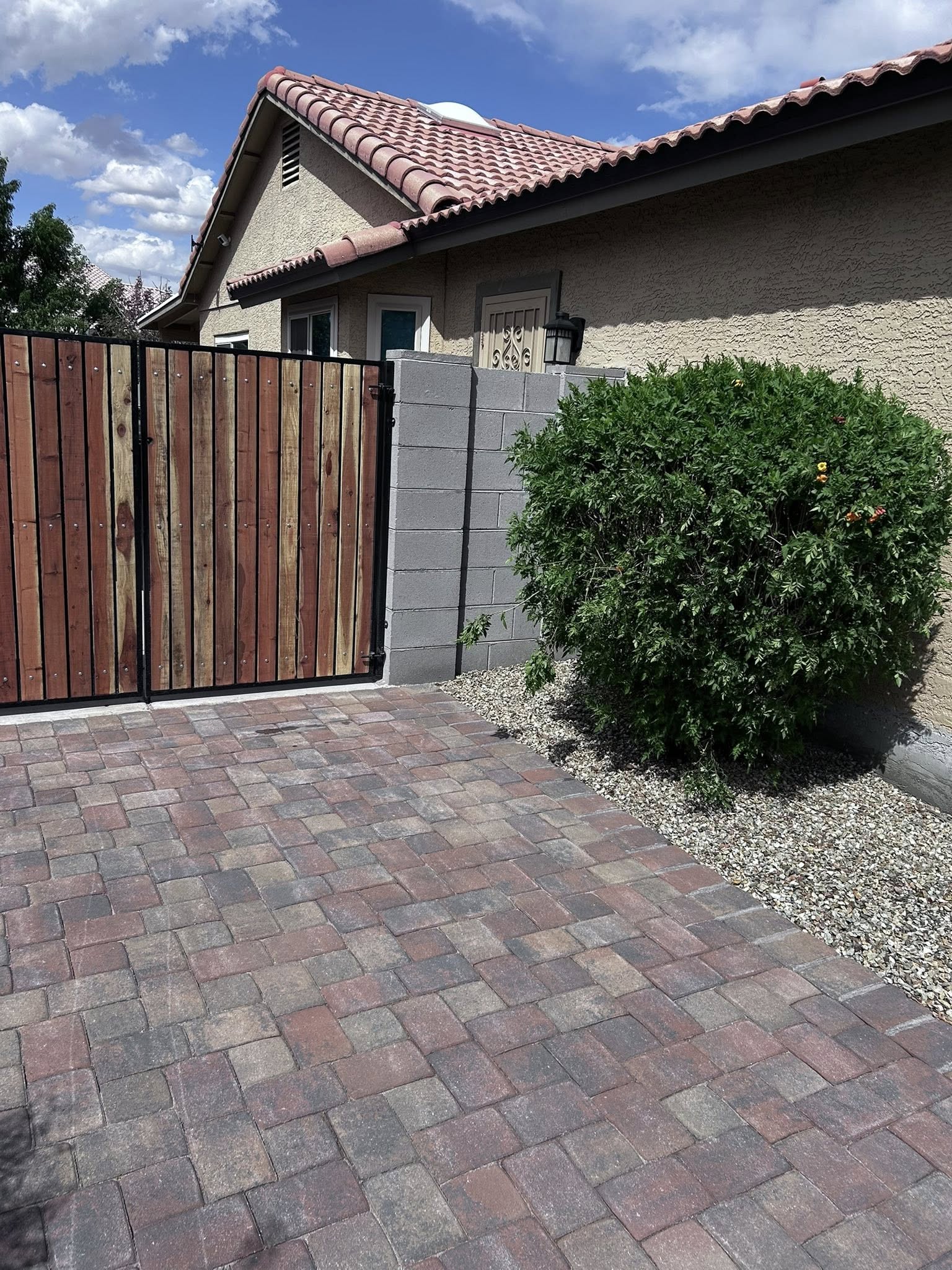
The foundation of a successful desert landscape is choosing the right materials. Opt for hardscape materials that can withstand high temperatures and resist erosion. Natural stones, gravel, and decomposed granite are excellent options that provide both durability and an authentic desert look. These materials not only require minimal maintenance but also blend seamlessly with the surrounding environment.
A key element in designing a desert landscape is water-efficient planting. Select native plants that are well-adapted to harsh conditions, such as succulents, cacti, and drought-tolerant shrubs. These plants have evolved to conserve water and typically require less irrigation, making them ideal for sustainable landscaping. When arranging your plants, consider using a mix of sizes and textures to create visual interest and avoid monotony.
Integrated irrigation systems play a crucial role in maintaining a healthy desert landscape. Drip irrigation systems are particularly effective, as they deliver water directly to the plant roots, minimizing evaporation and water waste. Ensure your irrigation system is properly installed and regularly maintained to guarantee efficient water use. Smart irrigation controllers can help further optimize water usage by adjusting schedules based on weather conditions.
Incorporating shade structures into your landscape design can greatly enhance comfort and usability. Pergolas, arbors, and strategically placed trees provide necessary shade from the intense sun, creating inviting spaces for relaxation and gatherings. When choosing trees, focus on species that offer high canopy coverage, such as mesquites or palo verdes, which are both native to desert environments.
Creating winding pathways is another smart way to add structure and functionality to your landscape. Pathways guide visitors through the space, highlighting different areas and allowing for easy navigation. Use gravel, stone, or flagstones to construct your pathways, ensuring they are wide enough for comfortable walking and wheelchair access. For added safety and ambiance, consider installing low-voltage pathway lighting.
Lighting is an essential component for elevating a desert landscape. Besides pathway lighting, consider uplighting to highlight architectural elements or downlighting to create a moonlit effect under trees. Solar-powered lights offer a sustainable solution and can be easily integrated into your design. Properly placed lighting enhances safety while adding an elegant touch to the overall aesthetic.
Finally, regular maintenance is vital for sustaining the beauty and resilience of your desert landscape. Routine tasks such as pruning plants, cleaning hardscape surfaces, and adjusting irrigation systems ensure your landscape remains in top condition. Pay attention to seasonal changes and be proactive in addressing potential issues like weeds or pest infestations.
Building a resilient and stylish desert landscape requires thoughtful planning and execution. By using durable materials, selecting native plants, and incorporating practical design elements, you can create a stunning outdoor space that thrives under desert conditions. At Deserts Voice Construction, we are dedicated to helping you achieve a landscape that is both beautiful and sustainable. Whether you're starting from scratch or enhancing an existing design, these expert tips will guide you in creating a desert landscape that stands the test of time.
/filters:no_upscale()/filters:format(webp)/media/42351130-d682-4e2b-ad91-e49fb3a42209.jpeg)